In 2020 the average national expense for medical insurance is $456 for a private and $1,152 for a family each month. Nevertheless, expenses vary amongst the large choice of health insurance. Comprehending the relationship in between health coverage and expense can assist you choose the right medical insurance for you. While many individuals get their medical insurance through a group plan sponsored by their employer or union, others purchase it themselves.
As a result of the Affordable Care Act (ACA), people can acquire individual medical insurance through a federal government exchange or market (frequently referred to as ACA plans), or they can buy health insurance coverage from private insurance companies. You may be restricted to purchasing medical insurance through a government exchange to certain times of the year.
ACA strategies are a great beginning location to comprehending individual health insurance coverage options. ACA health plans are categorized by metals - what is a deductible in health care. You can discover more about the metal strategies: Bronze, Silver, Gold, and Platinum. All ACA plans must cover 10 essential advantages, such as protection for hospitalizations, outpatient and preventive care, maternity and child services, laboratory tests, rehab services, mental health treatment, and prescription drugs.
The metal levels assist buyers understand what portion of health care costs the strategy will pay typically and what portion the consumer will pay. The cost of private medical insurance varies. Personal options in coverage in addition to age, income, area, number of family members (if any) consisted of in your protection, health care use aspect into your real medical insurance expense.
Everything about How To Lower Health Care Costs
With this info, you can likewise compare health insurance coverage strategies. Certified insurance brokers at eHealth deal specialist knowledge in offered health strategies. https://www.openlearning.com/u/redus-qg93vs/blog/TheSmartTrickOfHowCanIGetFreeHealthCareThatNobodyIsTalkingAbout/ They can help you compare alternatives to discover the budget-friendly health insurance that fulfills your needs. In exchange for health care protection, the insurer charges you a monthly.
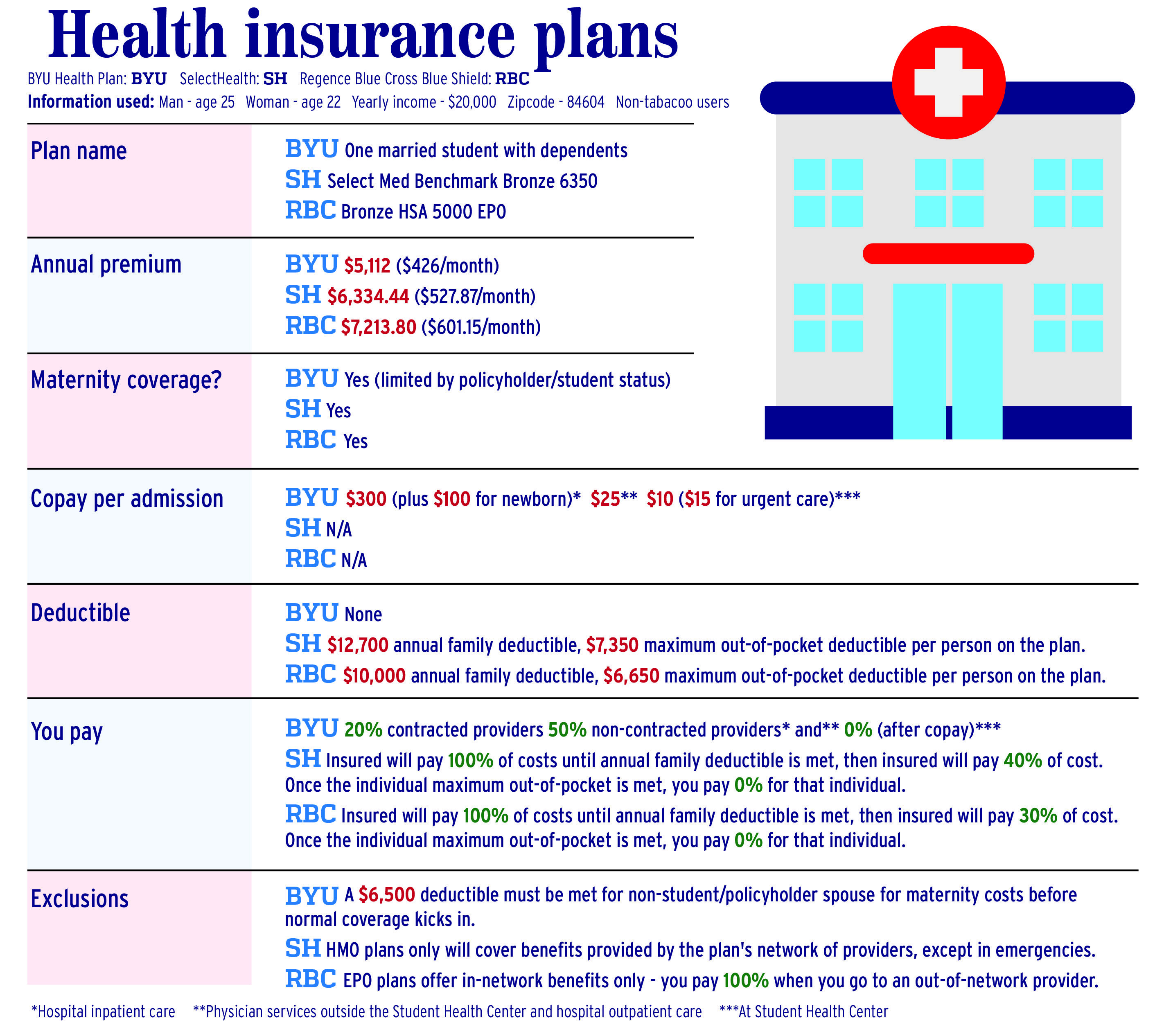
This typical cost does not include people who receive government subsides. You can find out more about the average premium expense for ACA-compliant plans in your state by visiting our resource center or by contacting an eHealth insurance coverage agents at the toll-free number on this page. A is the quantity you pay for health care services each year before your health insurance coverage pays its part of the expense of covered services.
Bear in mind, private health insurance plans' deductibles differ considerably: some might be as low as $0. and are cost-sharing payments you make each time you get a medical service after reaching your yearly deductible. A is a set amount that you pay for covered health care services. For example, presume your strategy has a $30 copayment and your doctor's check out is $150.
Assume your strategy has a 20% coinsurance and your physician's check out is $150. If you: Have not fulfill your deductible, you'll pay $150 for the visitHave met your deductible, you'll pay 20% of $150 (which is $30) The is a financial safeguard. This dollar quantity is the most you have to invest for covered services in a year.
Some Known Facts About Why Is Health Care So Expensive.
Your deductible, copayments and coinsurance payments count toward the yearly maximum out-of-pocket limit. For the 2020 plan year, the out-of-pocket limitation for an ACA plan can't be more than $8,150 for a private and $16,300, as reported on Healthcare.gov. Many strategies use lower out-of-pocket limits. Typically, the more benefits your strategy pays, the more you pay in premium.
To highlight how these expenses may influence your choice of strategies, consider the ACA strategies. The Bronze strategy has the most affordable premiums of the ACA metal classifications of strategies. The nationwide typical premium in 2020 for single protection is $448 per month, for household coverage, $1,041 each month, according to our study.
Nevertheless you will have to pay for much of your routine healthcare. The strategy pays for preventive care (such as a yearly health check out, particular screenings and therapy) whether or not the deductible is satisfied. A Silver plan may be a great option for you if you can manage a somewhat higher premium than a Bronze plan premium to get more insurance coverage payment for medical care.
Family protection averages $1,212 monthly. A Gold strategy might be the ideal option for you if you want to pay a lot more monthly in premiums to have more of your treatment expenses paid by insurance coverage than a Bronze or Silver plan would pay. A Gold strategy might be particularly valuable to you if you or your household need frequent or comprehensive healthcare.
Getting My How To Take Care Of Mental Health To Work
For household protection, the average premium is $1,437 each month. If you can afford to pay more in month-to-month premium costs in exchange for small medical expenses related to substantial, ongoing health care, the Platinum plan might be a great option. In 2020, the Platinum plan premium averages $732 monthly for single protection and $1,610 per month for household protection.
Catastrophic plans have extremely low premiums and really high annual deductibles ($ 8,150 in 2020). Nevertheless, they pay for preventive care no matter the deductible. These strategies may be a suitable insurance alternative for young, healthy people. To receive a Catastrophic strategy, you need to be under age 30 or be of any age with a hardship exemption or affordability exemption (based on job-based or exchange insurance being unaffordable).
Among eHealth customers who purchased ACA private health insurance, more than 75% picked Bronze or Silver plans. Your state might host an exchange for comparing and buying ACA strategies or it might utilize the federal exchange at Healthcare.gov. Remember, you aren't limited to the exchange. The licensed insurance coverage brokers at eHealth can assist you find the best health strategy to meet your health coverage needs and your spending plan.
You can't control when you get ill or hurt, but you do have some control on just how much you pay. While an eHealth broker can assist you recognize potential expense controls for your specific circumstance, here are some methods you may be able to lower your medical insurance costs. If you purchase your own health insurance coverage, you may get help spending for it from a federal government help program.
Some Known Facts About How Much Would Free Health Care Cost.
The Cost-Sharing Reductions program can decrease the cost-share quantity you pay for medical care. Both of these programs are designed to assist individuals with restricted incomes. You can utilize this Healthcare.gov tool to see if you are eligible for lower costs. Every state has a Medicaid program and Children's Medical insurance Strategy (CHIP) to supply health coverage to low income people and families.
You may be qualified for Medicare if you are age 65 or oldereven if you are still workingor any age and handicapped. The basic month-to-month premium for Medicare Part B (medical insurance coverage) is $144.60 for 2020. Most individuals who have actually worked at least 10 years and paid Medicare taxes do not pay a Part A (hospital insurance) premium.
The premium is low for high-deductible plans and many plans spend for some preventive care. The HSAs are savings accounts that you use to pay for medical expenditures not paid by your insurance coverage. You save on taxes with a health cost savings account because the cash you put in and secure is either tax-free or tax-deductible.